Elevating Visual Communication: A Comprehensive Guide to the Penyon Keynote and PowerPoint Template
In the modern landscape of business, education, and creative expression, the ability to communicate ideas visually is just as critical as the ideas themselves. Whether you are pitching a startup to venture capitalists, presenting quarterly results to stakeholders, or teaching a complex concept in a lecture hall, your presentation deck serves as the visual anchor for your narrative. However, creating high-impact slides from scratch is a time-consuming process that often distracts from message development. This is where professional-grade assets like the Penyon Keynote Template and its accompanying PowerPoint variations become indispensable tools. Understanding how to leverage such a comprehensive design system can transform the way you approach visual storytelling, bridging the gap between raw data and compelling engagement.
The Strategic Value of Premium Presentation Templates
Before diving into the specific features of Penyon, it is essential to understand why templates matter in a professional context. There is a common misconception that using a template limits creativity or makes a presentation look generic. In reality, a high-quality template functions similarly to a web framework or a architectural blueprint; it provides a structurally sound, aesthetically pleasing foundation so that the creator can focus entirely on content strategy rather than alignment issues or color theory.
In today’s fast-paced digital environment, audiences have shorter attention spans and higher expectations for visual polish. A slide deck that looks amateurish can inadvertently signal a lack of preparation or professionalism, regardless of the quality of the spoken content. By utilizing a robust system like Penyon, presenters ensure consistency, visual hierarchy, and brand alignment without needing a degree in graphic design. This efficiency allows professionals to iterate faster, test different narrative flows, and adapt their messaging for diverse audiences with minimal friction.
Deconstructing the Penyon Ecosystem: Volume and Versatility
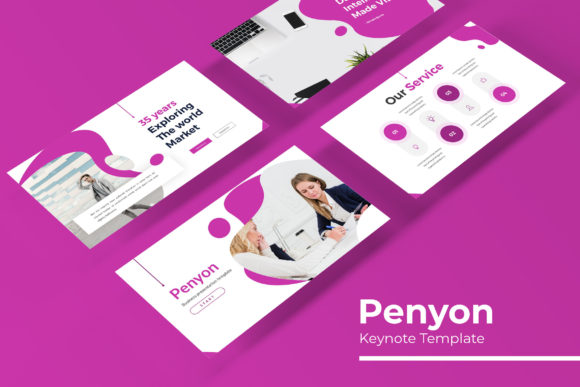
The Penyon template suite is designed with scale in mind, addressing one of the primary pain points for frequent presenters: the need for variety without sacrificing cohesion. The package boasts an impressive 150 total slides, a volume that far exceeds standard market offerings. This extensive library is not merely a collection of duplicate layouts with minor tweaks; it is organized into five distinct premade color themes, with 30 unique slides dedicated to each variation.
This structure is significant for several reasons. First, it supports multi-brand environments. Agencies or consultants who manage multiple clients can assign a specific color variation to each client, maintaining distinct visual identities while using the same underlying master system. Second, it prevents "slide fatigue." When building a long-form presentation, having access to 30 unique layouts per theme ensures that the visual rhythm remains engaging throughout the deck. You can transition from data-heavy analytical slides to emotive portfolio showcases without the design feeling disjointed.
Cross-Platform Compatibility and Accessibility
While originally conceived as a Keynote template, Penyon acknowledges the fragmented nature of modern software ecosystems. Not every stakeholder uses Apple products, and file compatibility is often a logistical hurdle. The inclusion of 5 PPTX files and 5 PPTX Widescreen versions ensures that the design integrity remains intact whether you are presenting on a MacBook Pro in a boardroom or a Windows laptop in a classroom. This cross-platform versatility eliminates the anxiety of formatting errors, broken fonts, or shifted images when moving between operating systems, making it a truly universal asset for collaborative teams.
Mastering Visual Data: Infographics and Master Slides
One of the most challenging aspects of presentation design is translating complex information into digestible visuals. Text-heavy slides are the enemy of retention, yet many presenters lack the illustration skills to create custom graphics. Penyon addresses this through handcrafted infographics and pixel-perfect illustrations. Unlike generic clip art, these graphics are designed specifically within the context of the slide layouts, ensuring that charts, diagrams, and icons feel like native elements of the story rather than pasted-on afterthoughts.
Furthermore, the template utilizes a sophisticated Master Slide architecture. For beginners, Master Slides can seem intimidating, but they are the secret weapon of efficient design. In Penyon, global changes—such as updating a logo, changing a font family, or adjusting footer text—can be applied across dozens of slides instantly by editing the master. This feature is crucial for maintaining brand compliance and making last-minute updates before a deadline. It transforms the presentation from a static document into a dynamic, editable system.
Intuitive Customization via Drag-and-Drop
Accessibility is key to adoption. A template is only useful if non-designers can modify it confidently. Penyon features resizable and editable graphic picture placeholders that operate on a simple drag-and-drop basis. This removes the technical barrier of masking and cropping. Users can simply drag their own photography or screenshots into designated frames, and the template automatically handles the sizing and aspect ratio. This intuitive interaction model empowers subject matter experts to take ownership of their decks without waiting for design department approval, streamlining workflows in agile business environments.
Narrative Flow: Section Breaks, Galleries, and Portfolios
A great presentation is not just a collection of facts; it is a journey. To guide the audience through this journey effectively, structural signposting is required. Penyon includes dedicated Section Break slides that serve as visual palate cleansers. These slides help segment long presentations into logical chapters, allowing the audience to mentally reset and prepare for new information. Without these breaks, even well-designed content can become a blur of indistinguishable information.
Additionally, the template excels in showcasing visual work through specialized Gallery and Portfolio slides. For creatives, architects, photographers, or product designers, these layouts are optimized to let imagery take center stage. They utilize whitespace effectively to prevent clutter and ensure that the featured work is viewed exactly as intended. This specificity demonstrates that Penyon was built with real-world use cases in mind, catering to industries where visual proof is as important as verbal explanation.
Practical Considerations: What’s Included and Licensing
When investing in digital assets, understanding exactly what is delivered is vital for project planning. The Penyon package is transparent and comprehensive. Upon purchase, users receive:
- 5 Keynote Files: Fully animated and formatted for Apple Keynote.
- 5 PPTX Files: Standard aspect ratio for Microsoft PowerPoint.
- 5 PPTX Widescreen Files: Optimized for modern 16:9 displays and projectors.
- Readme Documentation: Essential guidance for setup and customization.
- Free Font Download Links: Ensuring typography matches the preview without additional licensing costs.
It is equally important to clarify what is not included to manage expectations. As noted in the product details, all photographs or pictures used in the preview are for illustration purposes only. This is standard industry practice, as stock photography licensing varies by user and region. Presenters should plan to source their own high-quality imagery or utilize free stock resources to populate the placeholders. Understanding this distinction prevents confusion upon first opening the file and encourages users to customize the template with their own authentic visual assets, which ultimately leads to a more original and effective presentation.
Building Broader Design Literacy Through Templates
Beyond the immediate utility of saving time, working with a sophisticated template like Penyon offers an educational opportunity. By deconstructing how the master slides are built, how colors are coded, and how infographics are layered, users can develop a deeper understanding of presentation design principles. It serves as a reverse-engineering exercise in visual communication. Over time, this exposure helps individuals build their own design intuition, enabling them to make better decisions even when they eventually move beyond templates.
In conclusion, the Penyon Keynote and PowerPoint Template represents more than just a set of pretty slides; it is a comprehensive communication toolkit. By combining massive volume (150 slides), cross-platform flexibility, handcrafted data visualization, and user-friendly editing mechanics, it addresses the core challenges of modern presenting. Whether you are a seasoned executive or a student preparing your first major project, leveraging such a structured design system allows you to elevate your message, engage your audience, and deliver your ideas with the clarity and professionalism they deserve. In a world saturated with noise, clear and beautiful communication is a competitive advantage, and Penyon provides the framework to achieve it consistently.