Streamlining Visual Communication with the Grafity Power Point Template
In the modern landscape of digital communication, the ability to convey complex information quickly and aesthetically is a distinct competitive advantage. Whether presenting quarterly financial results, pitching a creative concept, or delivering an educational lecture, the visual vehicle carrying the message matters as much as the content itself. The Grafity Power Point Template addresses this need by providing a comprehensive framework designed for versatility and professional polish. Rather than forcing users to build decks from scratch, this resource offers a structured yet flexible environment where design consistency meets functional depth. Understanding how to leverage such a robust tool requires looking beyond surface-level aesthetics and examining the practical mechanics that make high-volume presentation creation sustainable.
Architectural Flexibility Through Master Slides
The foundation of any scalable presentation system lies in its master slide architecture. For professionals managing large datasets or recurring report formats, manual formatting is not only time-consuming but prone to error. The Grafity Power Point Template utilizes a sophisticated master slide structure that ensures global changes propagate instantly across the deck. This feature is particularly relevant when adapting materials for different stakeholders. A marketing team might require vibrant visuals for an external pitch, while internal leadership may prefer a muted, data-centric approach. Because the template is based on master slides, switching between these contexts does not require rebuilding individual elements.
This architectural approach also supports pixel-perfect illustrations. In many generic templates, graphics are often stretched or distorted when resized, leading to an unprofessional appearance. By anchoring visuals within the master layout, Grafity maintains aspect ratios and alignment integrity regardless of screen size or export format. For researchers and educators who frequently update charts and diagrams, this stability reduces the friction associated with version control. The user can focus entirely on the accuracy of the information rather than the positioning of text boxes, ensuring that the cognitive load remains on analysis rather than design maintenance.
Strategic Color Management and Brand Adaptation
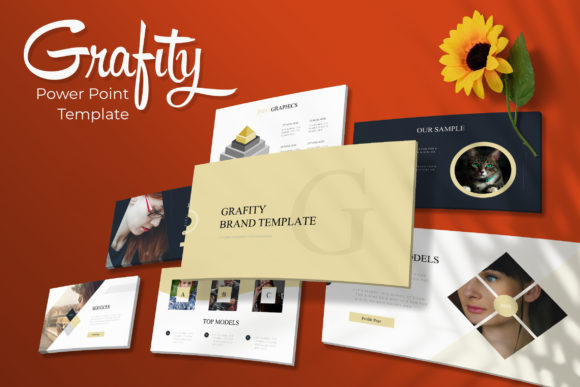
Color psychology plays a pivotal role in audience retention and emotional response, yet managing color palettes across hundreds of slides can be logistically daunting. This template solves the issue through five distinct premade color variations, each containing 30 dedicated slides. This segmentation allows users to select a specific mood or brand identity without altering the underlying structural logic. For business owners, this means a single asset can serve multiple departments; sales teams might utilize a high-contrast variation for impact, while HR could employ softer tones for training modules.
The inclusion of five separate PPTX files, alongside widescreen versions, further enhances this adaptability. Widescreen formats have become the industry standard for digital displays and video conferencing, but legacy projectors and printed handouts sometimes still require standard aspect ratios. Providing both formats ensures that the visual narrative remains intact across different mediums. When selecting a color scheme, it is essential to consider accessibility standards. The premade palettes in Grafity are generally designed with sufficient contrast, but users should always verify compliance with WCAG guidelines when customizing text colors against background elements, especially when presenting to diverse public audiences.
Data Visualization via Handcrafted Infographics
Raw data rarely persuades an audience on its own; it requires contextualization through effective visualization. The handcrafted infographic components included in this template bridge the gap between spreadsheet metrics and narrative storytelling. Unlike auto-generated charts that can look sterile or overly complex, these infographics are designed with visual hierarchy in mind. They guide the viewer’s eye through the information flow, highlighting key takeaways before supporting details.
For creators and analysts, these infographics serve as modular building blocks. Because they are fully editable vector graphics within PowerPoint, users can adjust values, labels, and segments directly in the software without needing external design tools like Adobe Illustrator. This capability significantly accelerates the workflow for weekly or monthly reporting cycles. Furthermore, the handcrafted nature of these elements adds a layer of bespoke quality that distinguishes the presentation from standard corporate boilerplate. When presenting to investors or clients, this level of detail signals thoroughness and professionalism, reinforcing the credibility of the data being presented.
Narrative Flow and Section Break Mechanics
A common failure point in lengthy presentations is the loss of narrative momentum. Audiences can easily become disoriented during transitions between disparate topics. The Grafity Power Point Template incorporates dedicated section break slides that act as visual punctuation marks. These are not merely blank dividers; they are designed to reset attention and provide context for the upcoming segment. In a 150-slide deck, these breaks are essential for maintaining engagement and preventing cognitive fatigue.
Educators and trainers will find these section breaks particularly useful for pacing. They provide natural pause points for Q&A sessions, discussions, or brief mental rests. From a design perspective, these slides reinforce the chosen color theme and typography, creating a rhythmic consistency throughout the presentation. Effective use of section breaks transforms a monolithic deck into a series of digestible chapters, making it easier for viewers to retain information and recall specific sections later. This structural consideration demonstrates an understanding of adult learning principles and audience psychology, elevating the template from a simple design skin to a communication strategy tool.
Portfolio Presentation and Asset Integration
Showcasing visual work requires a different set of layout priorities than displaying statistical data. The gallery and portfolio slides within Grafity are engineered specifically for image-heavy content. These layouts feature resizable and editable graphic picture placeholders that utilize drag-and-drop functionality. This interaction model removes the technical barriers often associated with cropping and masking images in presentation software. Photographers, designers, and architects can populate these galleries rapidly, focusing on curation rather than alignment.
The placeholder system respects the original aspect ratio of imported images, preventing the accidental distortion that can ruin a visual portfolio. Additionally, the layouts account for negative space, ensuring that captions and titles do not compete with the artwork. For freelancers and agencies using this template for client pitches, this polished presentation of past work can be the deciding factor in securing new contracts. It is important to note, however, that all photographs used in preview materials are for illustration purposes only and are not included. Users must supply their own high-resolution assets to achieve similar results, which underscores the necessity of having a well-organized media library ready before beginning the assembly process.
Technical Specifications and Implementation Best Practices
Successful implementation of the Grafity Power Point Template depends on understanding its technical ecosystem. The package includes five PPTX files and five widescreen variants, totaling a massive library of options. To manage this volume effectively, users should establish a naming convention and file organization system immediately upon download. Relying on default filenames can lead to confusion when multiple color variations are in active use simultaneously.
Typography is another critical technical consideration. The template includes a Readme file with links to free font downloads. Installing these fonts prior to opening the presentation is mandatory to preserve the intended aesthetic. Missing fonts will cause PowerPoint to substitute defaults, potentially breaking layouts and altering line spacing. For collaborative environments, it is best practice to embed fonts within the file or ensure all team members have the required typefaces installed to maintain consistency across different machines.
While the template offers extensive customization, users should exercise restraint. The sheer volume of 150 slides can be tempting to overuse, but effective communication often requires editing down to the most relevant components. Selecting the right 20 slides from a pool of 150 is more valuable than cramming in unnecessary content. The editability of every element means that no two presentations need to look identical, even when using the same base template. By treating Grafity as a component library rather than a rigid script, professionals across industries can produce distinctive, high-impact presentations that respect both their time and their audience's attention.
Optimizing Workflow Efficiency
Beyond the visual output, the true value of this template lies in workflow optimization. The drag-and-drop picture placeholders and pre-aligned text boxes reduce the micro-adjustments that typically consume hours of design time. For busy professionals, this efficiency translates directly to better preparation and rehearsal time. Instead of fighting with formatting at midnight before a meeting, users can spend that time refining their verbal delivery and anticipating questions. The template handles the visual heavy lifting, allowing the presenter to focus on the human element of communication. This shift in resource allocation is what ultimately separates adequate presentations from exceptional ones, making the investment in a premium template like Grafity a strategic decision for anyone serious about visual storytelling.