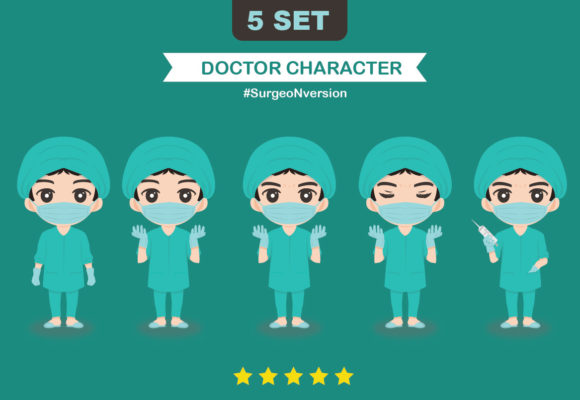
Cartoon Characters Surgeon: Selecting the Right Medical Illustration Assets for Professional Projects
When designing educational materials, healthcare presentations, or pediatric marketing campaigns, the visual tone sets the immediate expectation for your audience. The Cartoon Characters Surgeon collection serves a specific niche by bridging the gap between clinical accuracy and approachable design. Unlike generic clip art, this specialized bundle provides medical professionals, educators, and marketers with high-quality vector assets designed specifically for hospital environments, surgical contexts, and patient education. Understanding how to properly evaluate and utilize these resources is essential for maintaining professional credibility while achieving an engaging aesthetic.
Many creators assume that any cartoon doctor illustration will suffice for medical content, but this oversight often leads to disjointed branding or unintentionally unprofessional results. The value of a dedicated Cartoon Characters Bundle at Hospital lies in its consistency and technical versatility. Whether you are creating an infographic explaining a procedure, a poster for a clinic waiting room, or a PowerPoint slide deck for a medical conference, the asset quality directly impacts how your message is received. By approaching the selection and application process with a critical eye, you can avoid common pitfalls that diminish the effectiveness of your visual communication.
Overlooking Technical Compatibility and File Formats
One of the most frequent mistakes beginners and even experienced designers make is failing to verify file compatibility before purchase or download. This specific collection includes Vector High-Quality Resolution files with EPS version 10. While EPS is an industry standard, assuming it will work seamlessly with every software version is a risky assumption. EPS version 10 is widely compatible, but users operating on outdated versions of Adobe Illustrator CS or alternative vector software may encounter issues with gradients, transparency, or layer structures.
If you cannot open or edit the source files, you lose the primary advantage of purchasing a premium vector bundle. Rasterizing a vector file because you lack the proper tools defeats the purpose of buying scalable graphics. Before committing to this asset pack, confirm that your current version of Adobe Illustrator CS supports EPS v10 without corruption. Additionally, ensure you understand the difference between the editable vector source and any included preview images. Working solely with flattened previews limits your ability to customize colors to match your hospital’s branding guidelines or adjust line weights for large-format printing.
The Importance of Expression Variety in Medical Contexts
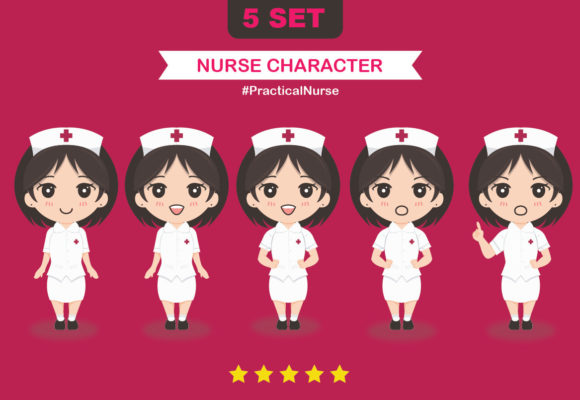
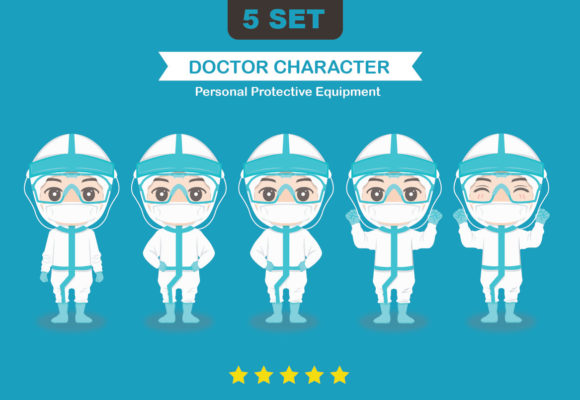
Healthcare communication requires emotional intelligence, yet many designers select character packs based solely on visual style rather than functional utility. This bundle features five various combinations of expression, which is a critical specification to evaluate against your project needs. A common error is using a cheerful, smiling surgeon character for content related to serious diagnoses, post-operative care instructions, or safety warnings. This tonal mismatch can alienate patients or undermine the gravity of the information being presented.
Conversely, using overly stern or intense expressions in pediatric outreach materials can increase anxiety rather than alleviate it. When evaluating the Cartoon Characters Surgeon assets, map the available expressions to your specific use cases. Determine if the "concerned" expression reads as empathetic or angry at small sizes. Check if the "happy" expression is appropriate for recovery milestones but perhaps too casual for surgical consent forms. Having five distinct options provides necessary flexibility, but only if you apply them with contextual awareness. Always test the chosen expression at the actual size it will appear in your flyer or slide screen to ensure the intended emotion translates clearly to the viewer.
Neglecting Editability and Customization Potential
A significant advantage of this ZIP containing Vector High-Quality Resolution files is that they are fully editable by yourself with Adobe Illustrator CS. However, many users treat these vectors as static images, missing opportunities to enhance relevance and brand alignment. Failing to customize skin tones, scrub colors, or equipment details can make your materials feel generic or disconnected from your specific institution's reality. If your hospital uses teal scrubs and the default character wears blue, leaving it unchanged creates a subtle cognitive dissonance for staff and patients familiar with your environment.
Furthermore, neglecting to check layer organization before starting a project can lead to frustrating workflow bottlenecks. Poorly organized vector files make simple edits time-consuming. Before integrating the Cartoon Characters Surgeon into your master layout, open the EPS file and assess the layer structure. Are facial features grouped logically? Can you easily isolate the stethoscope or mask to remove or recolor them? Taking ten minutes to audit and reorganize the layers upon first download saves hours of frustration later. This proactive step ensures the asset remains a time-saver rather than becoming a technical hurdle during tight deadlines.
Evaluating Versatility Across Different Media Formats
Digital assets must perform across multiple touchpoints, yet creators often test visuals in only one context. An illustration that looks perfect on a PowerPoint slide may become illegible when scaled down for a social media graphic or lose detail when blown up for a hallway poster. The Cartoon Characters Bundle at Hospital is marketed for infographics, posters, flyers, and slide screens, but each format has unique technical demands. A common mistake is assuming the vector will automatically adapt to all these mediums without adjustment.
For infographics, line weight and negative space are paramount; intricate details that look fine on a monitor may disappear in print. For slide screens, contrast against varied background colors must be tested to ensure visibility in dimly lit presentation halls. For flyers, the character must leave adequate safe space for text overlay without obscuring key anatomical or expressive features. Always create mockups in the final output dimensions before finalizing your design. This verification step prevents costly reprinting errors or embarrassing presentation failures where the visual asset competes with, rather than supports, your core message.
Misunderstanding Licensing and Usage Rights
While technical and aesthetic considerations are vital, overlooking usage rights is perhaps the most consequential error. Just because a file is editable does not mean it is unrestricted. Users sometimes assume that purchasing a Cartoon Characters Surgeon bundle grants unlimited commercial rights, trademark eligibility, or resale permissions. This misunderstanding can expose individuals and organizations to legal risks or force last-minute redesigns when licensing limitations are discovered late in production.
Always review the specific license agreement included in the ZIP file or listed on the vendor’s platform. Clarify whether the license covers client work, internal educational use, or commercial merchandise. Some licenses restrict the number of impressions, prohibit use in sensitive medical advertising, or require attribution. Understanding these boundaries upfront allows you to plan appropriately. If your intended use falls outside the standard license, contact the creator for clarification or extended rights before proceeding. Respecting intellectual property protects your professional reputation and ensures your project remains compliant with organizational policies.
Balancing Style with Clinical Credibility
The final consideration involves striking the right balance between cartoon appeal and medical authority. There is a tendency to prioritize cuteness over accuracy when selecting surgeon characters, particularly for pediatric audiences. However, even children’s health materials benefit from anatomically plausible proportions and accurate depictions of surgical attire and equipment. Exaggerated features that distort medical tools or misrepresent protective gear can inadvertently teach incorrect information or reduce trust among adult caregivers and healthcare staff reviewing the materials.
When comparing different Cartoon Characters Surgeon options, scrutinize the details. Does the surgical cap fit correctly? Is the mask worn properly? Are the gloves depicted realistically? These subtle cues signal respect for the profession and attention to detail. Choosing assets that maintain clinical integrity while offering friendly expressions demonstrates professionalism. It shows your audience that you value both their comfort and their intelligence. By prioritizing accuracy alongside accessibility, you create visual content that educates effectively, builds trust, and serves its intended purpose across diverse healthcare communication scenarios.