International Appreciation Day Cards: Designing Meaningful Recognition
In a world that moves at a relentless pace, taking a moment to acknowledge the contributions of colleagues, partners, and community members is more than a courtesy; it is a fundamental aspect of healthy organizational culture. International Appreciation Day Cards serve as tangible vessels for this sentiment, bridging the gap between digital communication and genuine human connection. While the act of appreciation is universal, the medium through which it is delivered matters significantly. A well-crafted card does not merely convey a message; it reinforces the value of the recipient through thoughtful design and intentional aesthetics.
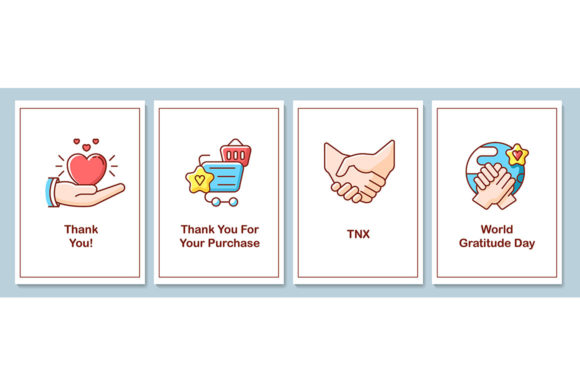
For professionals, business owners, and creators tasked with organizing recognition events or maintaining team morale, understanding the nuances of these cards is essential. This goes beyond selecting a pretty image. It involves recognizing how visual elements, such as glyph icon element sets and minimal illustrations, influence the perception of gratitude. When we discuss International Appreciation Day greeting cards, we are exploring a specific intersection of emotional intelligence and graphic design strategy that can elevate a simple "thank you" into a memorable brand experience.
The Visual Language of Gratitude
The effectiveness of an appreciation card often hinges on its visual simplicity. In an era of information overload, cluttered designs can dilute the sincerity of the message. This is why creative simple postcard vector designs have become the industry standard for professional recognition. Vectors offer crisp, scalable lines that maintain integrity across various formats, from small mobile screens to large printed banners. The use of negative space in these designs is not accidental; it provides the viewer with visual breathing room, allowing the celebratory text and the sentiment itself to take center stage.
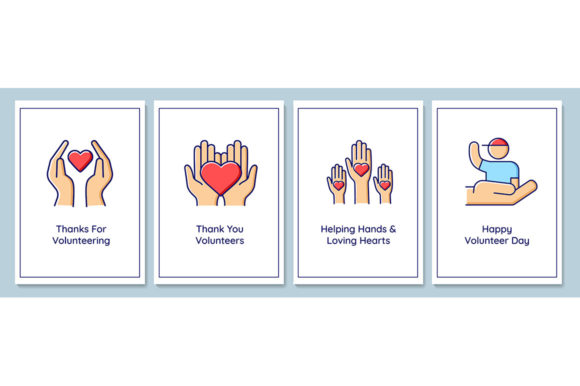
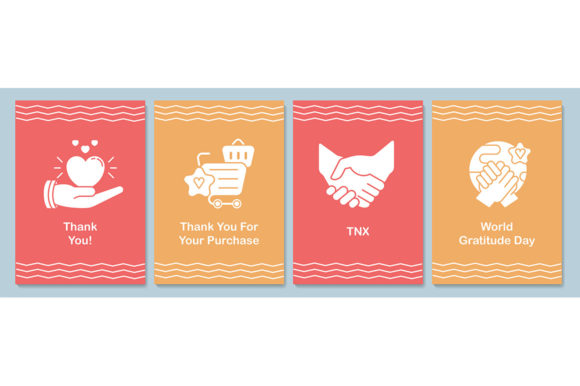
Glyph icon element sets play a crucial role in this minimalist approach. Unlike complex photographs or detailed raster illustrations, glyphs communicate concepts instantly and universally. A simple heart, a handshake, a star, or a trophy rendered in a clean geometric style transcends language barriers, making them ideal for international contexts. These icons act as visual anchors, guiding the recipient’s eye and reinforcing the theme of appreciation without overwhelming the senses. When integrated into decorative invitations or thank-you notes, they provide a cohesive visual thread that ties disparate elements together into a unified narrative of recognition.
Balancing Creativity with Professionalism
One of the primary challenges in designing or selecting International Appreciation Day Cards is striking the right balance between festive and formal. A creative banner with celebratory text must feel energetic yet respectful. The typography choices, color palettes, and illustration styles all contribute to this equilibrium. Minimal illustration techniques are particularly effective here because they suggest sophistication. Rather than relying on generic clip art, a custom minimal illustration implies that thought was put into the selection process, mirroring the thought put into the appreciation itself.
This balance extends to the functionality of the design. For business owners and HR professionals, these cards often serve dual purposes. They are tokens of gratitude, but they are also extensions of corporate identity. Utilizing high-quality product file formats ensures that the branding remains consistent whether the card is sent via email or printed on premium cardstock. The versatility of modern design assets allows organizations to adapt a single core concept across multiple touchpoints, ensuring that the culture of appreciation is visible and consistent throughout the organization.
Technical Considerations for Versatile Application
When sourcing or creating assets for International Appreciation Day greeting cards, technical specifications dictate real-world usability. Understanding file formats is not just a designer's concern; it is a practical necessity for anyone managing communications. Different scenarios require different tools, and having access to the correct format prevents quality loss and workflow bottlenecks.
- SVG (Scalable Vector Graphics): Essential for web-based appreciation. SVGs remain sharp on any screen resolution and can be animated with CSS for interactive digital cards. They are lightweight and accessible, making them perfect for internal newsletters or intranet posts.
- EPS (Encapsulated PostScript) and AI (Adobe Illustrator): These are the source files for print production. If you plan to order physical postcards, banners, or merchandise, printers will require these vector-based formats to ensure edges are crisp and colors are accurate. They allow for infinite resizing without pixelation.
- PNG (Portable Network Graphics): Ideal for digital sharing where transparency is needed. PNGs support alpha channels, allowing glyph icons or illustrative elements to be overlaid onto colored backgrounds or photos seamlessly. They are the go-to format for social media graphics and presentation slides.
- JPEG (Joint Photographic Experts Group): Best suited for photographic elements or complex gradients within the card design. While not ideal for text or line art due to compression artifacts, JPEGs are universally compatible and efficient for email attachments where file size is a constraint.
Having access to this full spectrum of formats ensures that your International Appreciation Day Cards are future-proof. It allows a marketing manager to repurpose a banner design for a LinkedIn post, or an administrative assistant to print a last-minute certificate without returning to the design phase. This flexibility maximizes the return on investment for creative assets and streamlines the execution of appreciation initiatives.
Sourcing Quality Assets Responsibly
The quality of your appreciation materials reflects directly on the sincerity of your gesture. Low-resolution images or inconsistent styling can inadvertently signal a lack of care. This is where specialized resource platforms become invaluable. When searching for icons, brochure templates, infographic elements, or mobile app screen pages, professionals should prioritize libraries that offer curated, cohesive collections rather than disjointed individual items.
For example, when teams count on BSD studio in search of icons, brochure templates, infographic elements, mobile app screen pages and so much more, they are accessing resources designed with systemic consistency in mind. This coherence is vital for International Appreciation Day Cards. When every element—from the decorative invitation to the final thank-you note—shares a common design DNA, the campaign feels organized and professional. It reduces the cognitive load on the creator and enhances the aesthetic experience for the recipient. Evaluating asset providers based on their ability to deliver comprehensive sets rather than isolated graphics is a key step in ensuring your appreciation efforts land effectively.
Practical Applications Across Contexts
The utility of International Appreciation Day Cards extends far beyond a single annual event. These design assets are modular tools that can be adapted for various recognition scenarios throughout the year. Understanding these applications helps organizations maximize the value of their creative investments.
- Employee Onboarding and Milestones: Welcome kits and anniversary celebrations benefit from the same warm, inclusive aesthetics used in international appreciation campaigns. Glyph icons representing growth, teamwork, and welcome can be repurposed to create a continuous thread of positive reinforcement.
- Client and Partner Relations: B2B relationships thrive on acknowledgment. A decorative invitation to a client appreciation dinner or a year-end thank-you card utilizes the same minimal illustration principles to convey professionalism and gratitude. The vector nature of these designs allows for easy customization with partner logos and personalized messages.
- Internal Communications and Newsletters: Regular updates often suffer from engagement fatigue. Integrating celebratory text banners and appreciation-themed infographic elements breaks up dense text and highlights team wins. This transforms routine updates into opportunities for cultural reinforcement.
- Digital Engagement and Social Media: Publicly recognizing team members or community contributors requires visually striking assets that stop the scroll. Creative simple postcard vectors are optimized for these platforms, providing a polished look that aligns with brand guidelines while feeling authentic and spontaneous.
Evaluating Suitability for Your Needs
Not every project requires the same level of design complexity. When planning your recognition strategy, assess the scope and audience to determine the appropriate assets. For small, intimate teams, a simple PNG overlay on a solid background might suffice. For multinational corporations hosting global events, investing in comprehensive EPS/AI template sets with multilingual typography support is advisable.
Consider the longevity of the design. Trends in illustration shift, but the principles of clarity and warmth endure. Opting for timeless minimal illustration over trendy, hyper-stylized graphics ensures your International Appreciation Day Cards remain relevant for years. Additionally, evaluate the licensing and usage rights of your assets. Ensuring you have the proper permissions for commercial use, modification, and distribution protects your organization and supports the creators who develop these essential tools.
Ultimately, the goal of International Appreciation Day Cards is to facilitate connection. The design serves the message, not the other way around. By leveraging versatile file formats, cohesive glyph icon element sets, and professional resources like BSD studio, creators and businesses can remove the friction from the design process. This allows them to focus on what truly matters: crafting words and gestures that make people feel seen, valued, and appreciated. In doing so, they transform a calendar date into a meaningful cultural touchstone that resonates long after the card has been received.